

TheCEOVerse • Digital Edition
“World’s Top 10 Global Finance & Strategic Leaders – 2026”
Cover story
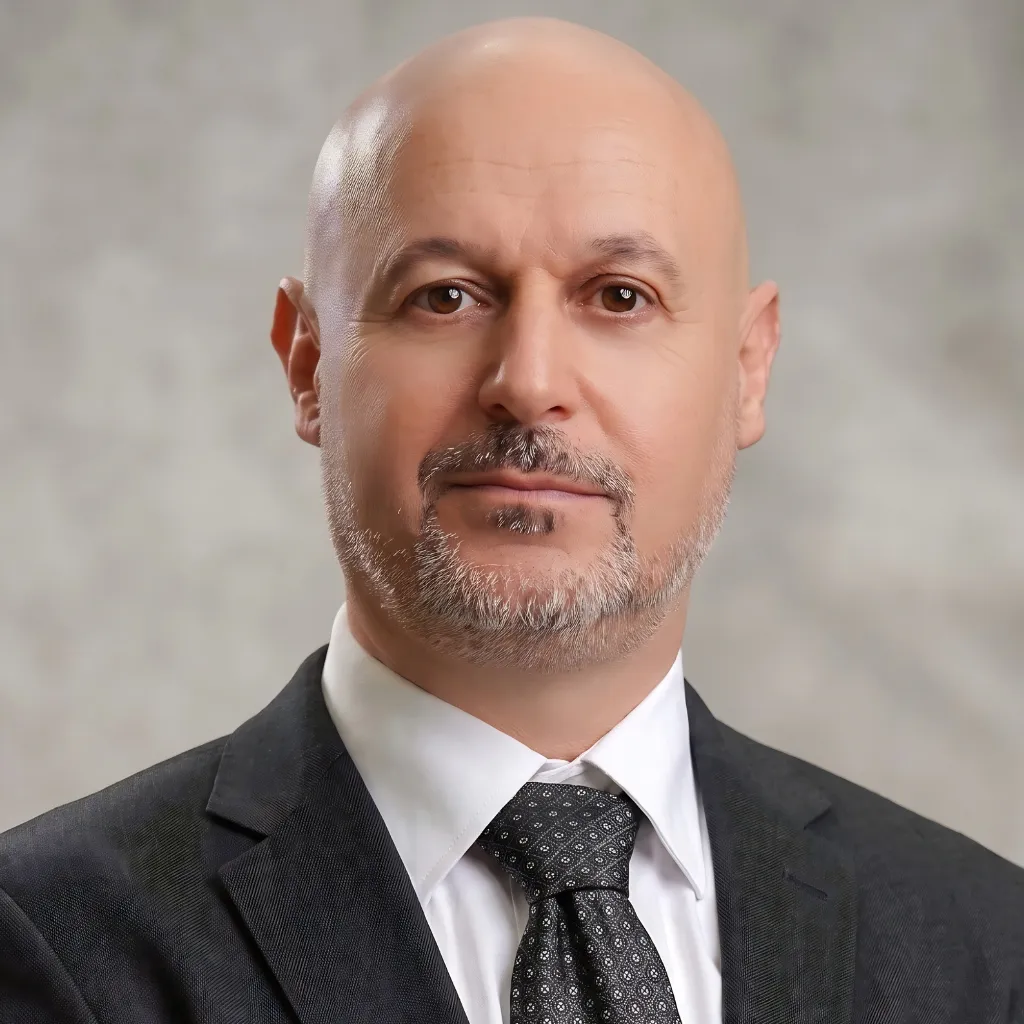
Samir Derbas
Featured Profile - Samir Derbas
The decisions that shape value
A real estate investment can look attractive in a financial model and still place an organization under pressure. Development may begin before funding is ready. Sales assumptions may overlook the pace of collections. A financing structure may support construction but leave too little flexibility if delivery slips. For Samir Derbas, these are questions that deserve attention while an organization can still change its plans.
That perspective sits at the heart of StrataCap Advisory, the Riyadh-based senior-led independent advisory boutique he founded to support boards, CEOs, CFOs, investors and business leaders. The firm brings together strategic finance, real estate expertise and executive decision support to help clients assess consequential choices before capital is committed.
As Founder & Managing Director, Derbas is building StrataCap around a practical proposition: senior leaders need a clear understanding of the options before them, the assumptions supporting those options and the consequences of getting them wrong. The value of advice lies in helping them decide and act with greater clarity.
His approach draws on nearly three decades of experience across Jordan and the Gulf, spanning banking, real estate development, investment groups, financial restructuring and board-level responsibilities. StrataCap translates that experience into focused advisory work for organizations facing investment, funding, growth and performance decisions.
A career built across finance and real estate
Derbas began his career in Jordan, where accounting and banking gave him an early grounding in financial discipline, credit assessment and client relationships. Working with businesses and investors helped him understand how financial structures affect the people and organizations relying on them. Subsequent regional roles broadened his experience in financial control, business performance and team development.
His move into real estate brought those disciplines into a sector where decisions unfold over long periods and depend on many parties. At Diyar Al-Kuwait Real Estate, part of the Al-Kharafi Group, his responsibilities included project funding, feasibility, financial reporting and investment assessment. The work strengthened his understanding of the relationship between a development’s commercial proposition, its cash flows and its financing requirements.
At Tebyan Real Estate in Dubai, he worked on the financial and commercial requirements of development, including project cash-flow models, banking relationships, escrow arrangements and investment controls. His involvement in enterprise systems also reinforced the importance of connecting finance with the information used by sales, operations and management.
He later served as Vice President of Financial Affairs at Saudi Airlines Real Estate Development Company, the real estate arm of Saudia. The assignment involved financial strategy, development planning, governance and the alignment of established processes with a new commercial direction. Working alongside specialist advisers and executive colleagues sharpened his ability to connect individual asset decisions with a wider portfolio strategy.
Subsequent leadership roles at Al-Khomasiyah Group, Madr Investment and Alsaif Investment Holding added experience in restructuring, funding strategies, investment committee support, financial governance and performance management. His non-executive board experience at Harbor Real Estate brought a further perspective on oversight, management accountability and the quality of information required for effective decisions.
A later CFO assignment within a major Saudi real estate development platform brought together portfolio planning, funding, development sequencing and executive reporting. It reinforced the importance of involving finance early enough to influence the design of a program, its commercial assumptions and the allocation of capital.
His academic and professional development complements that experience. He holds an MBA, a master’s degree in Real Estate and Property Management from the University of Salford, and a bachelor’s degree in Accounting, alongside the Certified Management Accountant and Certified Islamic Professional Accountant qualifications.
Strategic finance across his career
Across his career, Derbas has been involved in more than USD 10 billion of project finance activity. That exposure has shaped an approach in which funding plans must be supported by credible cash flows, realistic development milestones and a clear allocation of risk.
One example involved optimizing development phasing, financing drawdowns and the timing of off-plan sales across a major real estate portfolio. This helped reduce reliance on external borrowing and contributed to projected financing-cost savings of approximately SAR 200 million. Combined with broader portfolio optimization, these measures contributed to an improvement of approximately 1.5 percentage points in projected portfolio internal rate of return (IRR).
The significance of the example extends beyond the figures. Financing costs are influenced by when capital is required, how long it remains deployed and when customer receipts become available. Changing the sequence of development and sales can therefore affect both funding needs and investment returns.
This is the kind of connection StrataCap seeks to make visible for clients. A decision about project phasing is also a decision about liquidity. A choice of financing structure affects flexibility and governance. A growth plan places demands on the organization’s ability to execute. Evaluating those relationships together can materially improve the quality of the decision.

Why StrataCap engages before approval
StrataCap’s central focus is independent advisory and executive decision support. A priority is reviewing investment proposals, feasibility studies, funding structures, partnerships and public-private partnership (PPP) arrangements before they reach boards and investment committees.
At that stage, an independent review can examine whether the proposed decision rests on reasonable assumptions, whether alternatives have been considered and whether the risks are understood. The questions are practical: What drives the return? What could delay the cash flow? Which assumptions have the greatest effect on value? What must management deliver for the proposal to remain viable?
The review also considers whether a proposal is ready for approval. An attractive headline return may depend on untested pricing, optimistic sales absorption, incomplete funding arrangements or a delivery schedule that leaves little room for disruption. Making those dependencies explicit helps decision-makers assess the proposal on a more informed basis.
The purpose is to support a well-grounded decision and a workable path to execution. Depending on the circumstances, that may mean refining the proposal, adjusting its structure, phasing the commitment, requesting additional evidence or reconsidering the investment.
From investment questions to executive action
StrataCap’s work connects several areas that clients often need to consider together. In real estate advisory, the focus includes development business cases, feasibility, highest and best use, portfolio optimization, financial models and funding or exit strategies. These assignments help clients assess how an asset or development can create value within their wider objectives and constraints.
In CFO advisory and strategic finance, the firm supports financial planning, budgeting, forecasting, cash flow, treasury, working capital, performance management and capital structure. The emphasis is on making financial information useful for management action, including understanding liquidity requirements and aligning financial plans with commercial priorities.
Board and executive decision support brings an independent perspective to investment reviews, capital allocation, strategy and governance. Corporate strategy and transformation work addresses growth plans, business models, restructuring and the financial implications of organizational change.
Capital, funding and project decision support considers debt and equity funding plans, project cash flows, bankability and the deployment of capital. Performance review cuts across these areas, connecting strategic objectives with key performance indicators (KPIs), milestones and management accountability.
The benefit of this integrated approach is continuity between the investment case, the funding plan and the management framework. Clients can examine a decision as a whole, including what it will require from the business after approval.
Senior financial leadership through a fractional CFO
For some organizations, the immediate need is sustained senior financial leadership. A growing company may need stronger cash-flow planning and reporting. A family business may be formalizing its finance function. An investment platform may require support during restructuring, expansion or a transition in leadership.
StrataCap’s fractional Chief Financial Officer (CFO) offering gives organizations access to senior financial leadership through an agreed scope and level of involvement. It allows the work to reflect the business’s stage, complexity and priorities.
The scope can include budgeting and forecasting, liquidity management, banking discussions, management reporting, KPI frameworks and board support. It can also involve developing finance processes and strengthening the capability of the internal team.
For Derbas, the role is most useful when it connects financial discipline with commercial judgment. Management needs to understand which customers, projects or products generate value, where cash is tied up and which commitments could limit the company’s next move. A finance function becomes more influential when it helps answer those questions consistently.
Senior accountability and practical delivery
As a senior-led independent advisory boutique, StrataCap is structured around close involvement in the questions that matter to each engagement. The firm’s model brings together relevant expertise while retaining clear senior accountability for the work.
The starting point is the decision or business need. That helps define the scope, identify the evidence required and focus the analysis. A project review may require a revised financial model and an assessment of funding options. A board assignment may call for a concise review of assumptions, alternatives and risks. A fractional CFO engagement may require continuing involvement in planning, reporting and management discussions.
Across those assignments, the intended output is advice that executives can use: clear findings, practical recommendations and an understanding of the next actions required. The depth of the supporting work should match the significance of the decision.
Independence contributes to that model by creating room to challenge assumptions and examine alternatives. Senior experience helps translate the findings into the language of the boardroom, the investment committee and the operating business.
Building capability alongside better decisions
Derbas’s approach to leadership emphasizes evidence, clear communication and constructive challenge. Real estate and investment decisions involve development, commercial, legal, procurement, treasury and operational perspectives. Financial analysis becomes more useful when those teams understand and take ownership of the assumptions behind it.
That principle also informs team development. Strengthening a finance function involves helping people interpret the business, communicate implications and exercise judgment. Better systems and reporting matter, but their value depends on the capability of the people using them.
His public writing on finance, real estate and strategy reflects the same priority: making complex issues understandable enough to support action. His experience across executive roles, board responsibilities and professional discussions provides a foundation for StrataCap’s work with business leaders.

The next stage for StrataCap
Derbas’s ambition for StrataCap is to build a trusted independent advisory boutique for organizations making consequential strategic and financial decisions. Its relevance is strongest where real estate, funding, governance and business performance intersect, and where leaders want senior attention to the choices in front of them.
For an investor, that may begin with an independent assessment of a development opportunity. For a board, it may mean reviewing a proposal before approval. For a CEO, it may involve testing a growth or restructuring plan. For a business strengthening its finance function, it may start with fractional CFO support.
The common thread is the quality of the decision and the organization’s ability to carry it through. StrataCap’s proposition is to help leaders understand what creates value, what could put it at risk and what must happen next.
Organizations seeking independent investment review, strategic finance advice, board and investment committee support, or fractional CFO services can contact StrataCap Advisory to discuss their priorities.
Connect with StrataCap Advisory
Website https://www.stratacap.com.sa/
LinkedIn https://www.linkedin.com/company/stratacap-advisory
Enquiries mandate@stratacap.com.sa
Telephone / WhatsApp: +966 50 1177766