
The game has changed Machines are now listening to your thoughts.
Read Time : 5 minutes
Social Share :
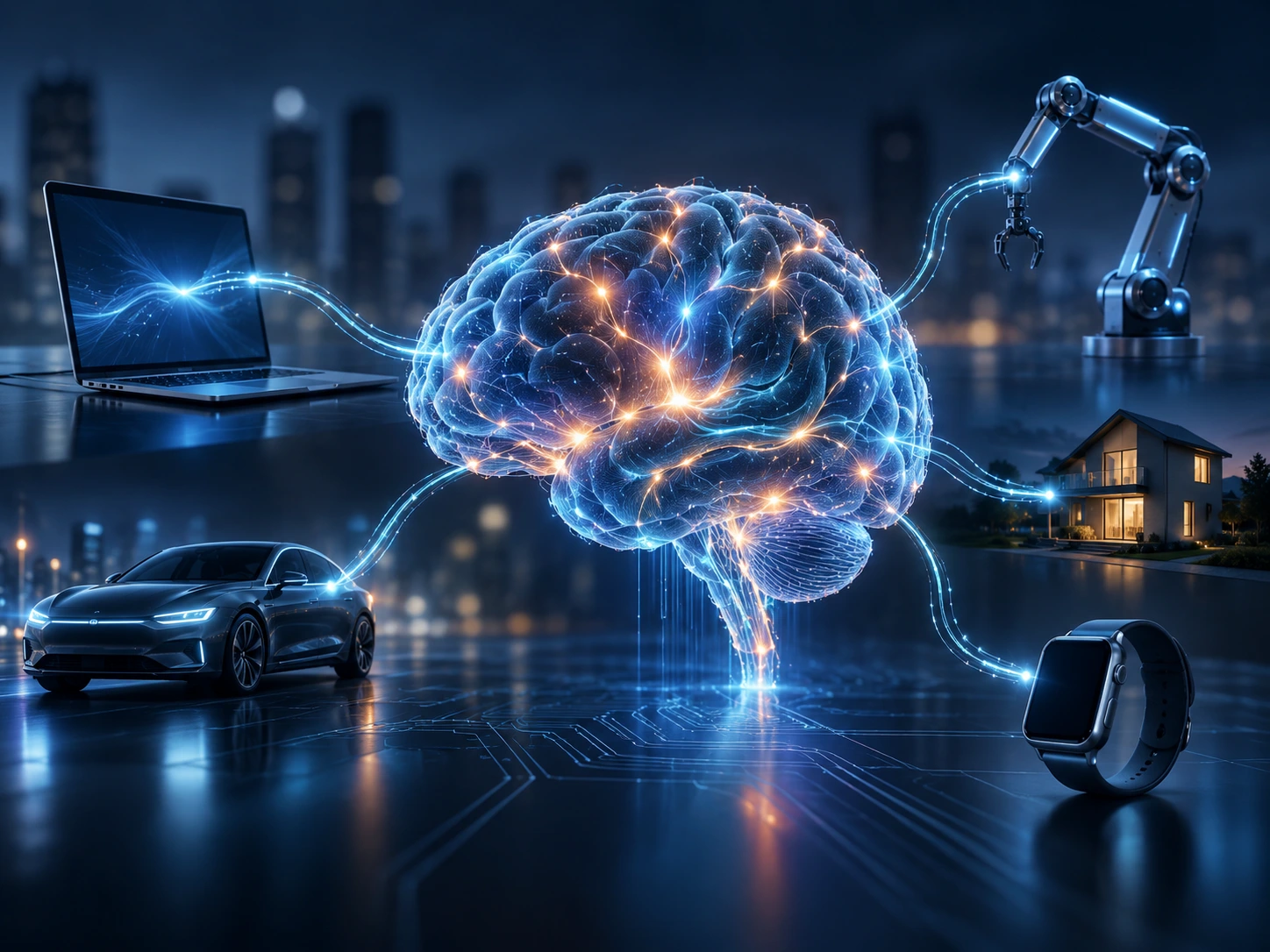
Companies such as Neuralink and Kernel are already turning possibility into practice. What was once the realm of fiction is becoming the next great frontier of innovation. And ignoring this wave today is like standing before a silent revolution and refusing to listen. You may not see it yet, but your competitors are already beginning to understand customer emotion and intent faster than any analytics dashboard could ever report.
Why this trend will reshape every industry
When communication happens at the speed of thought, entire industries will be rewritten. Brain-computer interfaces will not only restore ability and connection to people living with disabilities, they will change how every human being interacts with the world around them. Customers will be able to express needs, preferences, and reactions before they can even type them. Education, healthcare, mental wellness, accessibility, entertainment, none will remain unchanged. This is not merely a new technology. It is a new layer of human experience.
For entrepreneurs, this opens possibilities that were previously unimaginable. You can build products that sense and respond to a user’s actual state, not just their clicks and taps. You can design learning experiences that adapt in real time to where attention is strongest and where it fades. You can create healthcare tools that detect signals long before symptoms appear. And you can build deeper, more authentic loyalty, not by guessing what people want, but by understanding what they truly experience.
Consider Maya, an entrepreneur who built a tutoring platform. By integrating neurofeedback into her system, she began tracking student focus in real time. The platform adjusted pace, complexity, and timing accordingly. Dropout rates fell by forty percent. Investors took notice, not because the technology was impressive, but because it solved a deeply human problem: sustaining attention in a world full of distraction. She did not just add a feature. She aligned her product with how the mind actually works.
Six principles for the neurotech era
Begin by learning the fundamentals of this emerging field. You do not need to build the hardware yourself, but you must understand its capabilities, its limits, and its ethical weight. To lead in this space, you must respect both the technology and the humanity behind it.
Seek partnerships with researchers and startups already working in neuroscience. Innovation rarely happens in isolation. The most powerful applications will come from those who understand both the technology and the people it serves, and collaboration bridges that gap faster than working alone.
Build ethical data frameworks from day one. If personal data is valuable, brain data is priceless. Establish clear boundaries, consent protocols, and transparency around how information is collected, stored, and used. Trust is the foundation of this entire field, and it can vanish with one misuse.
Reimagine your product around awareness of human state. How would it change if it could sense focus, calm, engagement, or fatigue? Not to manipulate, but to serve better. Technology that adapts to the human mind is always more powerful than technology that demands the human mind adapt to it.
Educate your team on cognitive design and user experience shaped by real human response. The interface of the future may not be visual at all. It may be responsive. Design must respect attention, mental load, and cognitive well-being, not just aesthetics or speed.
Start small. Test one feature that enhances human capability rather than replacing it. Progress does not require rebuilding everything overnight. It begins with one thoughtful application that improves life and builds from there.
The responsibility that comes with power
Do not treat this as a marketing gimmick. It is not a trend to ride for attention. It is a transformation in how we connect, communicate, and create, and it carries profound responsibility.
Do not move forward without clear ethical principles. The ability to read, interpret, and respond to human thought is unlike any technology we have ever built. It touches the most private, internal part of a person. Misuse it, and you do not just lose a customer, you erode public trust in an entire new industry.
And do not wait for regulation to define the path. Pioneers do not just follow rules, they help set the standards that protect everyone. If you see the future, you also carry the duty to build it responsibly.
The future belongs to the wise
Ignore this shift, and you may one day find competitors predicting and responding to customer needs before you even finish reading their reviews. You may find your business model feels slow, distant, and impersonal, while others build systems that truly understand people.
But embrace it with care, and you will be part of something far greater than profit. You will be part of an era where technology does not just extend our hands or our voices, it extends our understanding of one another.
The next revolution is not about building smarter machines. It is about building wiser humans and creating tools that help us be more fully ourselves.
Do you believe entrepreneurs are ready to carry the responsibility of building systems that understand human thought? The answer will define the kind of future we all step into.