
The nextgen gold rush isn’t in tech, it’s in climate
Read Time : 5 minutes
Social Share :
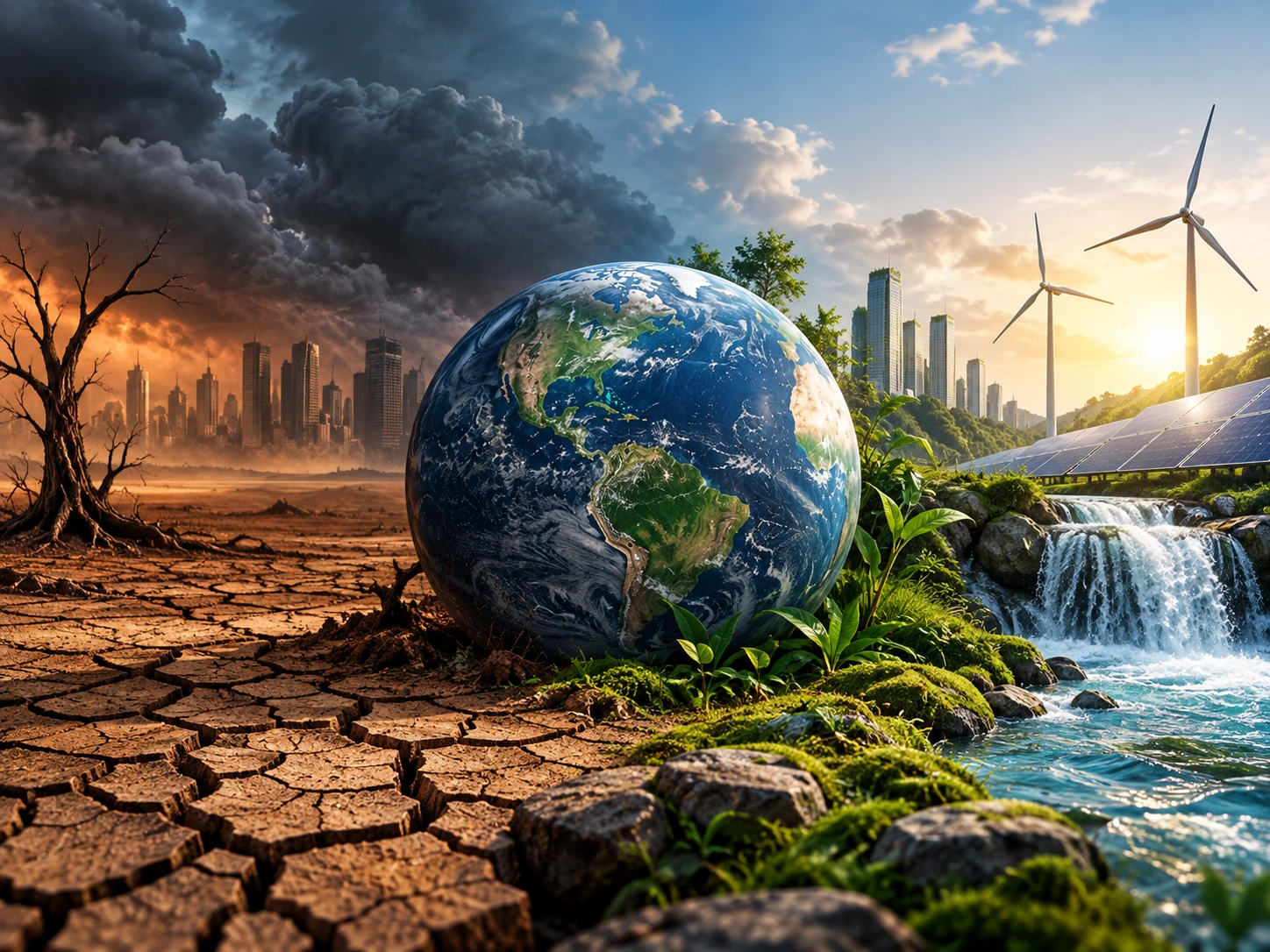
Why this trend matters
Ignoring climate resilience today is like building your dream house on shifting sand, it looks perfect, but collapses overnight. Entrepreneurs who fail to adapt to environmental shocks will lose supply chains, customers, and trust in one blow. Those who prepare, however, will own the future of sustainability-driven markets, a global economy already worth trillions and growing every year.
How resilience becomes competitive advantage
When your business model can thrive amid climate chaos, you are not just “green”, you are unstoppable. You attract the growing segment of loyal, conscious consumers who vote with their wallets. You gain investor confidence, as capital increasingly flows toward companies that understand long-term risk. Most importantly, you build operations that last, not just launch.
Consider AgriWave, a small African startup that turned abandoned warehouses into vertical farms using recycled water. While competitors wilted under severe drought, AgriWave grew 40 percent in profits, not because they were lucky, but because resilience was their core strategy, not an afterthought. They did not just adapt to a changing climate, they built their business to flourish within it.
Six principles for climate-ready growth
Begin by honestly identifying your biggest climate vulnerabilities, whether supply chains, logistics, or critical resource dependencies, because you cannot protect what you refuse to see.
Shift steadily toward circular economy practices, designing products and processes that recycle, reuse, and repurpose rather than consume and discard.
Invest in low-energy technologies, solar, efficient cooling, waste-to-energy tools, that insulate you from both price volatility and resource scarcity.
Build partnerships locally to reduce transport risks while strengthening community trust.
Create a clear climate contingency plan that includes your people and your suppliers, because no business survives a crisis alone.
And finally, tell your sustainability story transparently, not as marketing, but as proof of your values, because authenticity builds brand equity that no competitor can copy.
The dangers of misunderstanding
Do not treat resilience as marketing. It is infrastructure. Do not copy “green trends” that do not fit your reality, performative sustainability collapses the moment conditions change. And never assume government policies will save you, they will not move fast enough to protect those who wait.
What happens if you wait
Scarcity will not kill growth, it will kill lazy business models. If you do not prepare, your costs will rise, your operations will stall, and your brand will slowly lose relevance. But if you lean in now, you will unlock entirely new markets, attract mission-driven investors, and become the kind of brand people trust when the world feels uncertain.
Resilience is not about surviving change, it is about designing for it before it arrives. Every great era of business is built on the problems it solves. The defining problem of our time is not technology, it is how we live within our planet’s limits.
Those who build the solutions, not just the products, will lead the next economy. The gold rush is here, and it is not in the cloud. It is in the ground, the water, the energy, and the systems that will sustain us all.