
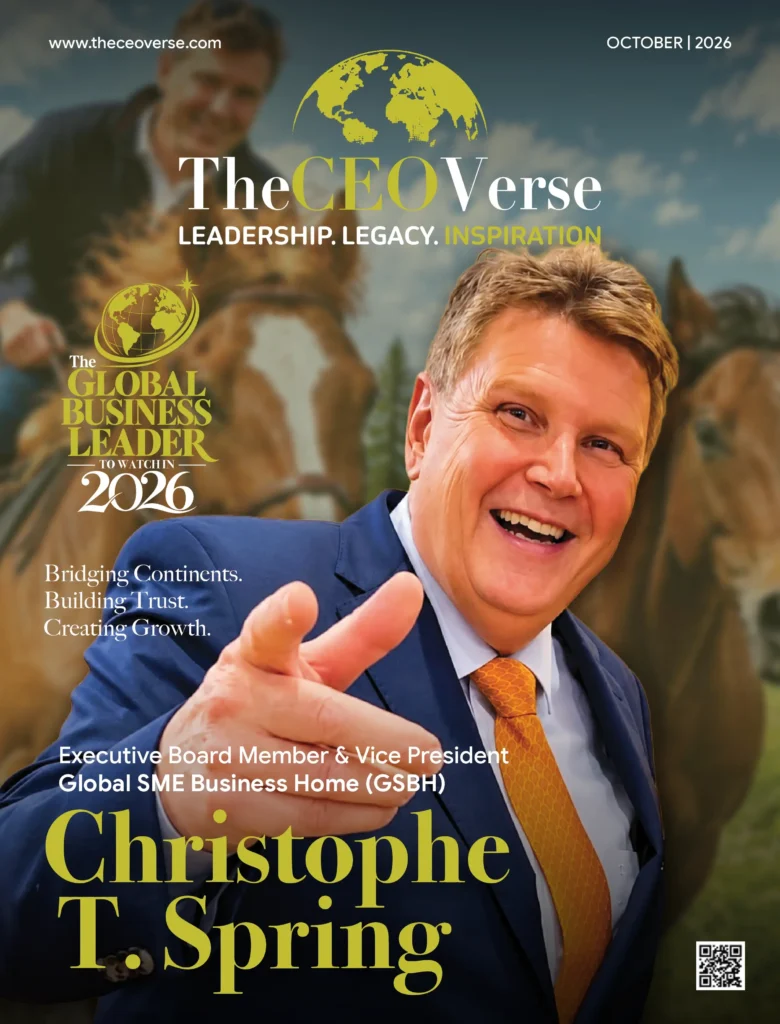
TheCEOVerse • Digital Edition
“The Global Business Leader To Watch In 2026”
Cover story
Christophe T. Spring
Featured Profile - Christophe T. Spring
Christophe T. Spring: A global leadership perspective built on experience and integrity
Over more than four decades, Christophe T. Spring has built a career shaped by international business, cross-cultural relationships and decisions that have tested both professional judgment and personal principles. His experience spans Europe, North America, the GCC and Asia, with business exposure across more than 36 countries and communication across four languages.
What distinguishes that journey is not simply its geographical reach. Throughout changing markets, organisations and professional roles, Spring has maintained a consistent belief that truth and integrity carry a value that cannot be measured by a title. His approach to leadership has been formed through difficult decisions, challenging conversations and moments when standing by his principles came with a professional cost.
A career shaped by difficult choices
There have been points in Spring’s career when speaking openly affected opportunities and even positions. Rather than viewing those experiences as mistakes, he considers them tests of character. Looking back, he maintains that he would make many of the same decisions again if faced with similar circumstances.
That conviction gained further meaning when a new opportunity emerged only weeks after a difficult professional chapter had ended. The opening was not simply connected to his résumé or previous position. It reflected the way people remembered his conduct when circumstances were difficult.
For Spring, that experience reinforced an important understanding of professional success. Titles can describe where someone has been, but the trust created through years of conduct can determine where they are able to go next.
Leadership that does not avoid the hard conversations
Spring’s understanding of leadership has been developed through experience with international teams, developing markets and different business cultures. In those environments, he has come to see leadership as a responsibility that cannot always prioritise comfort.
Difficult feedback, disagreements, unpopular decisions and accountability are part of the role. Avoiding them may preserve temporary peace, but difficult issues rarely disappear simply because they are left unaddressed.
At the same time, Spring does not equate strong leadership with unnecessary confrontation. He believes challenging an employee, questioning a decision or rejecting an established approach can be done while preserving dignity. For him, respect is not separate from accountability. It is part of it.
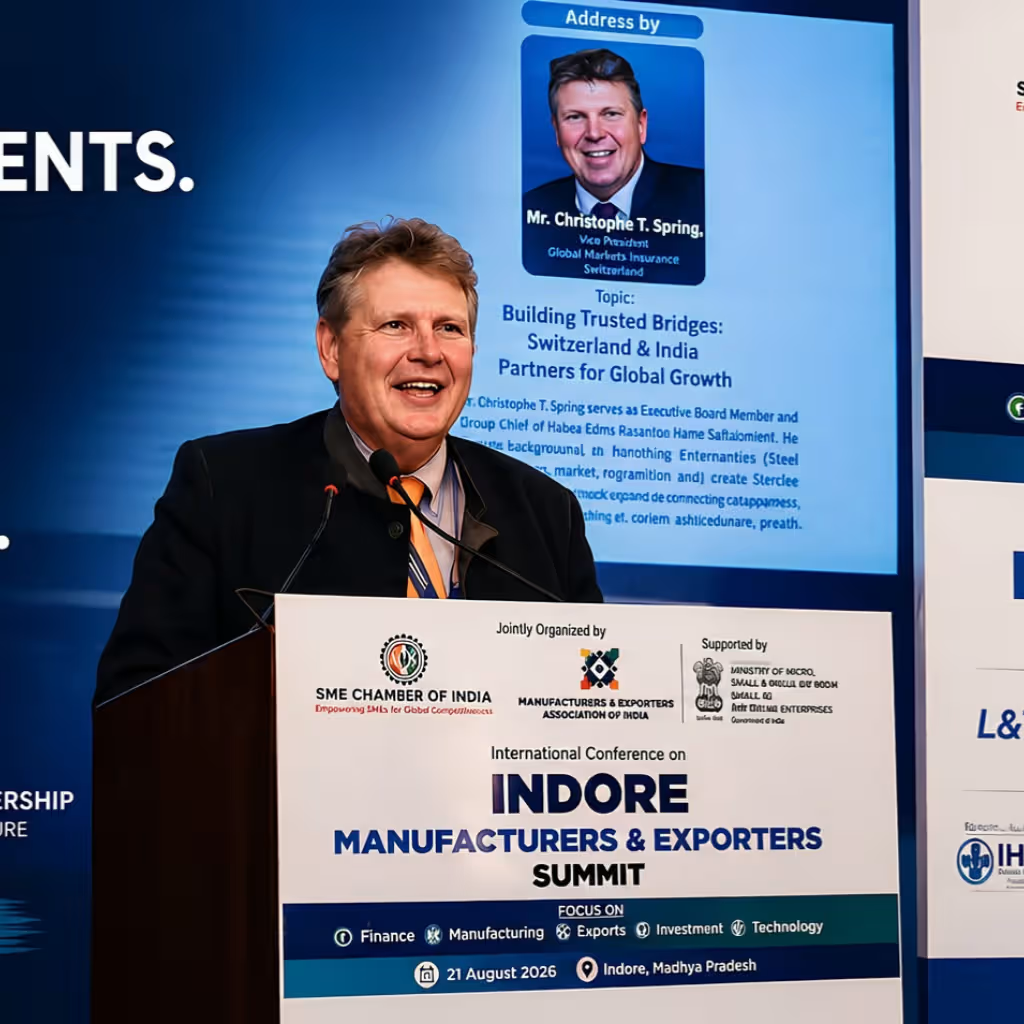
Character becomes visible under pressure
The principles behind leadership are easiest to discuss when conditions are favourable. Their real significance emerges when circumstances become difficult.
Spring places courage at the centre of those moments. Leaders, in his view, have a responsibility to protect their people, question the status quo when necessary and remain faithful to their principles even when doing so creates personal or professional consequences.
His own experience with a serious hip injury also reinforced his understanding of resilience. Rebuilding aspects of his life after the injury demonstrated that setbacks can alter a path without necessarily determining its destination. Across both personal and professional challenges, the underlying lesson has remained consistent: difficult circumstances can test confidence and direction while also revealing what remains beneath them.
For Spring, that foundation is character.
The long-term value of standing by principles
Throughout his career, Spring has encountered situations where choosing the easier route would have been possible. He recalls standing by loyal employees, challenging decisions and defending values that could have been easier to compromise.
Those decisions carried consequences, but they did not become sources of regret. His perspective is based on a longer view of professional life. Positions can disappear, organisations can change, industries can move in different directions and titles can eventually belong to someone else.
The way people remember being treated, however, can remain.
That belief has also shaped his understanding of trust. It can move between organisations, industries and countries, creating relationships that remain relevant long after a particular professional chapter has ended.
A global network built on trust
After more than four decades in international business, Spring has experienced significant changes across markets and leadership environments. Through those changes, relationships have remained a constant.
His international network extends across corporate and diplomatic circles, including ambassadors representing all five continents, ministers, entrepreneurs, global executives and members of the diplomatic community. Among the encounters he values are meetings with His Holiness Pope Leo XIV and the Apostolic Nuncio.
For Spring, the significance of these relationships does not rest simply on the stature of the individuals involved. They reinforce the importance of humility, trust and mutual respect when building genuine connections across borders.
His involvement in international diplomatic circles is something he regards as both an honour and a responsibility. From his perspective, diplomacy is fundamentally about creating understanding between people, cultures, economies and national interests.
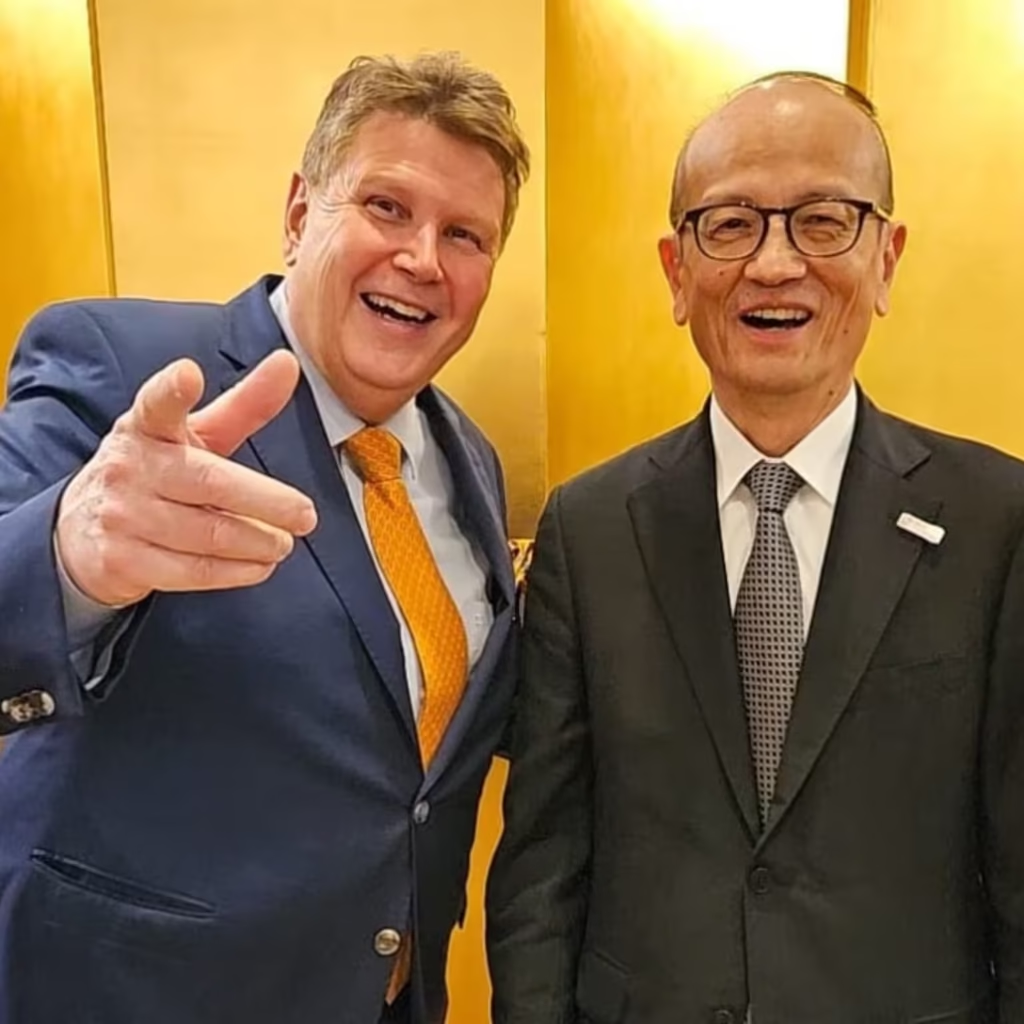
Connecting business, cultures and communities
Spring’s international outlook also shapes his view of the relationship between business and diplomacy. Business can create prosperity, while diplomacy can create understanding. When brought together, both can contribute to stronger bridges between nations, cultures and communities.
This perspective connects with his current role as Executive Board Member and Vice President at Global SME Business Home, where his broader focus is centred on connection.
Connecting cultures. Connecting industries. Connecting people.
His international experience has reinforced his belief that collaboration is increasingly important in a world where markets and professional relationships cross borders. Different perspectives can strengthen ideas when they are brought into the same conversation.
For Spring, bridge-building is therefore more than diplomatic language. It is part of how he understands business itself.
Learning from beyond the business world
Some of Spring’s leadership perspectives have developed outside conventional corporate environments. His appreciation for animals has given him different ways of thinking about loyalty, trust and influence.
Dogs have represented unconditional loyalty, while elephants have fascinated him through their intelligence, memory and strong sense of family. Horses have provided perhaps the clearest leadership lesson of all.
They respond to trust, humility and consistency rather than ego. Working with them requires patience and demonstrates that authority alone cannot create cooperation.
For Spring, that lesson extends naturally into professional life. Influence cannot simply be demanded. It has to be earned through consistent behaviour and genuine trust.
Curiosity keeps leadership looking forward
Spring’s appreciation for art, architecture and culture has encouraged him to view familiar problems from unfamiliar angles. That habit of observation also influences his understanding of innovation.
He believes innovation does not necessarily begin with technology. Curiosity comes first.
Asking why something is done in a particular way, considering whether another approach might work better and learning from outside one’s own industry can create the conditions for meaningful innovation. Technology can provide tools, systems can provide structure and strategy can provide direction, but curiosity initiates the process.
That mindset reflects a broader approach to leadership in which remaining open to different perspectives becomes essential to navigating a changing business environment.

A different measure of professional success
When Spring considers his legacy, he does not begin with positions, awards or corporate milestones. His attention turns instead toward people.
He looks at the individuals he has helped, the relationships he has built, the bridges he has contributed to creating and the teams that achieved more collectively than any individual could have achieved alone.
Perhaps most significantly, he measures his journey through the people who continue to call him years after professional relationships have ended. Some friendships have evolved into partnerships. Some professional connections have developed into long-term relationships. Others have created bridges extending beyond companies to connect people and countries.
These outcomes represent his broader understanding of achievement: not simply what a person can accumulate, but what that person can enable.
The leadership perspective to watch
Christophe T. Spring’s four-decade journey offers a model of leadership grounded in experience, international perspective, integrity and relationships. Across changing markets, countries and professional circumstances, his approach has remained focused on the qualities that continue to matter beyond any individual role.
For Spring, leadership is not about being the most powerful person in the room. It is about being someone others can trust when the room becomes difficult.
That trust is built through thousands of decisions, particularly the difficult ones. It cannot be manufactured through a designation or secured by success alone.
As positions change, organisations evolve and markets move forward, Spring’s focus remains on the elements that endure: character, relationships, curiosity, collaboration and the ability to create meaningful connections across boundaries.
Those principles provide the foundation for a global leadership perspective that continues to evolve with the world around him.