A Lane Nobody Else Was Working
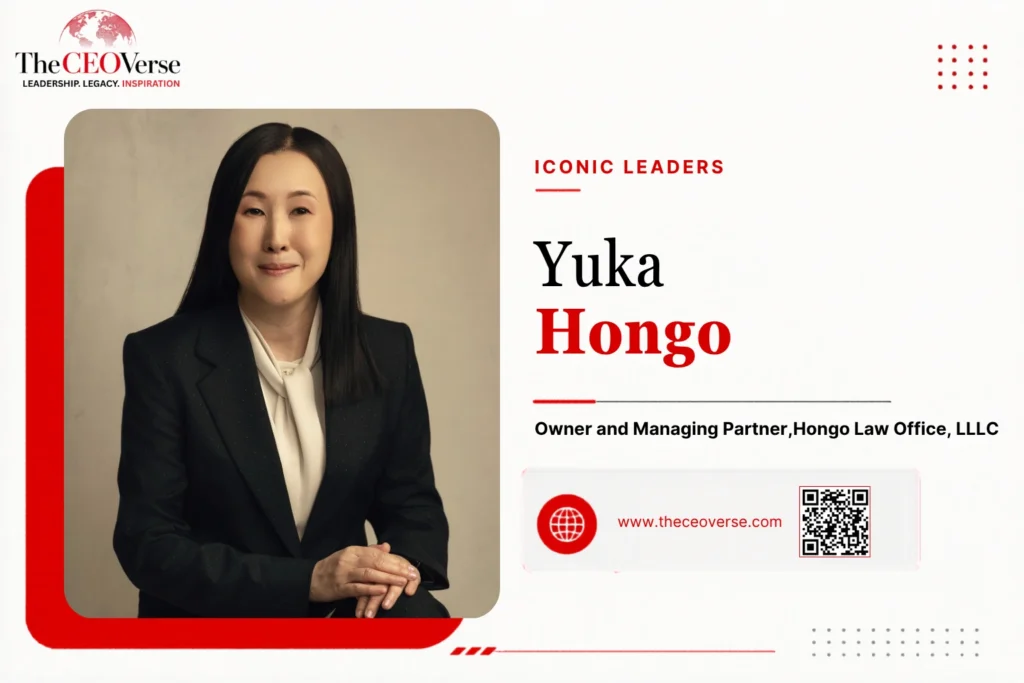
Yuka Hongo went to law school in Los Angeles with one goal in mind, becoming an international lawyer. Her family had built its name in accounting, not law, but that background shaped her more than she expected. After graduation she worked internationally in Japan for a period. Then her family started a business in Hawaii, and she moved to Honolulu to open her own office.
She could have gone the route most bilingual attorneys take. Corporate law. Immigration law. Both crowded with Japanese-speaking lawyers competing for the same clients. Instead she noticed something else. Her father’s Japanese accounting clients kept running into the same wall, questions about their assets, confusion around their estate. Nobody was serving that need properly. So she built her practice around it.
Understanding Before Anything Else
Ask Hongo what principle guides her decisions and she does not talk about strategy or growth targets. She talks about listening. Carefully, and with the intent to actually understand what a client wants as the end result, not just what they say they want in the first conversation.
That distinction matters more in estate planning than most areas of law. Client happiness is the outcome she is optimizing for, and she is direct about that being the priority.
Translating Law Into a Language Clients Trust
Starting a law practice is one thing. Keeping it running is another. Hongo counts that continuity itself as her most significant milestone, not a single case or a single win.
Alongside the practice, she runs education seminars and writes a monthly newsletter, published in both Japanese and English, covering estate planning and administration. The work of taking dense US law and making it legible in Japanese has been, in her words, one of the more fulfilling parts of what she does. It is not flashy work. It is consistent work, done monthly, for years.
The Traits That Don’t Show Up on Paper
Three traits shaped her path, and none of them are the kind of thing that show up neatly on a resume.
Flexibility came from moving between countries and cities, and from working with people who see the world differently than she does. Cultural awareness came from the same place, dealing with clients across nationalities gave her a working sense of international perspective that cannot really be taught in a classroom. Independence came earliest and hit hardest. She left her own country as a young teenager and had to learn to manage things on her own from that point forward. That early independence is, by her own account, the reason she was able to start and run a law firm at all.
A Trust That Travels Between English and Japanese
Her bilingual fluency is not incidental. Her parents invested in that education deliberately, and it became the foundation her entire practice sits on. She delivers estate planning information in both English and Japanese, in meetings and in written publications, without needing a translator or an intermediary standing between her and the client.
That is the offering she considers strongest. Not a service, exactly. A capability.
Waiting on the Right Hires Before the Next Expansion
The firm is small. Hongo is candid about the difficulty of finding the right people to bring on board. The plan is to expand into other service areas, real estate among them, but that expansion depends on staffing she does not yet have.
Growth That Eventually Crosses a Border
Looking five years out, the plan is more hires and a broader practice. One detail stands apart from the usual expansion talk. Hongo has considered hiring someone in a country outside the US to run an overseas office. It is not a firm commitment yet. It is a direction she is thinking in.
The Hardest Part Was Trusting Herself First
The obstacle Hongo names is not a case, a client, or a market condition. It is confidence. Starting and running her own firm meant sitting with the fact that there are plenty of smart, talented lawyers out there, and comparing herself to them made it harder to see her own progress.
She had to learn to stop measuring herself against other people’s paths and concentrate on her own. That shift, more than any external circumstance, is what let her keep going.
The Part of the Job She Doesn’t Think AI Can Touch
Her advice to anyone chasing a strong position in this field comes back to the same principle she opened with. Understand what the client actually wants by listening to them.
She does not dismiss the pressure AI is putting on legal work. She expects it to take over parts of the job. But she does not think it replaces the personal service a human delivers, and that is where she believes the real value will keep sitting, in the human part nobody can automate.